Dental Care During Pregnancy: A Complete Guide to Maintaining Healthy Teeth and Gums
Pregnancy is an important phase in every woman’s life, and maintaining good health during this period is essential for both the mother and the developing baby. Along with regular medical checkups, dental care during pregnancy plays an important role in maintaining overall health. Hormonal changes, morning sickness, dietary habits, and increased blood circulation can affect oral health, making pregnant women more vulnerable to gum problems, tooth decay, and other dental concerns.
Many women believe that visiting a dentist during pregnancy is unsafe. However, routine dental checkups and necessary dental treatments are generally safe during pregnancy when performed with appropriate precautions. Understanding the importance of oral health during pregnancy can help prevent dental complications and ensure a healthier pregnancy journey.
Why Is Dental Care Important During Pregnancy?
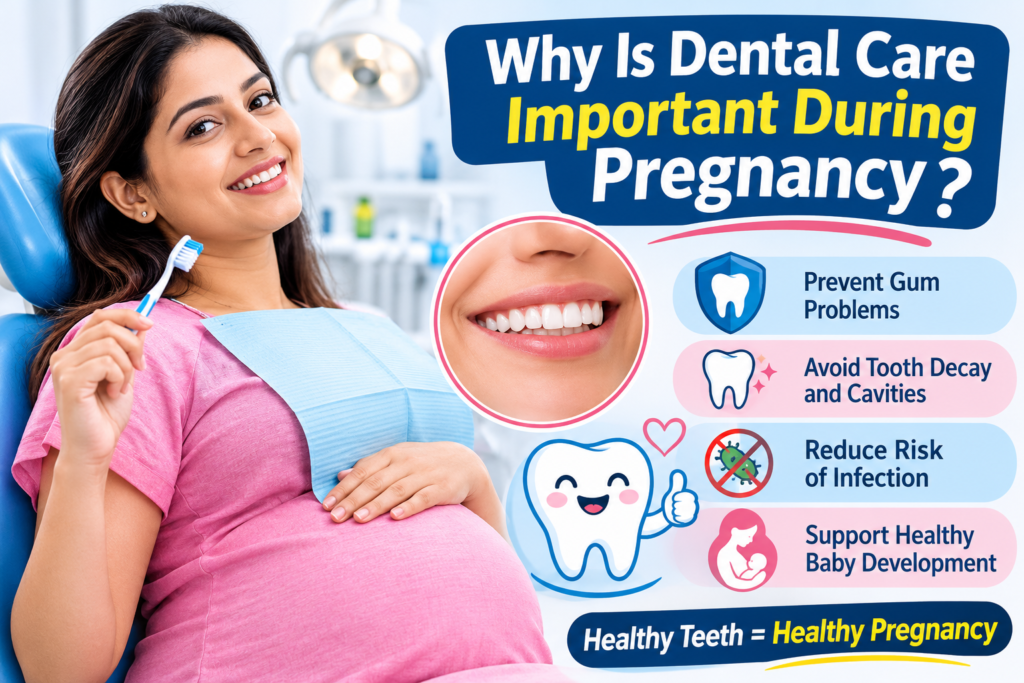
During pregnancy, the body experiences several hormonal changes that can affect the teeth and gums. Increased levels of estrogen and progesterone may make gums more sensitive to plaque, resulting in inflammation, swelling, and bleeding.
Ignoring dental problems during pregnancy can lead to discomfort and oral infections. Maintaining proper dental hygiene during pregnancy helps prevent gum disease, cavities, bad breath, and other oral health issues.
Regular dental visits also allow dentists to identify potential problems early and recommend suitable treatments according to the pregnancy stage.
Common Dental Problems During Pregnancy
Pregnant women may experience different oral health problems due to hormonal changes and changes in daily habits.
1. Pregnancy Gingivitis
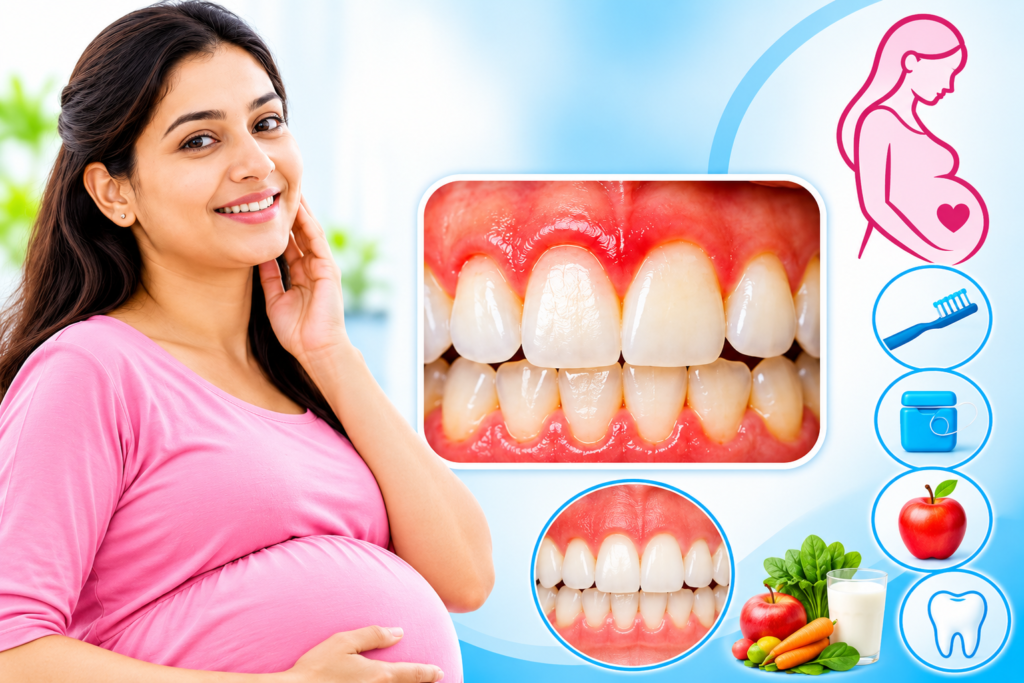
Pregnancy gingivitis is one of the most common dental problems experienced by pregnant women. It causes red, swollen, tender, and bleeding gums, particularly while brushing or flossing.
Maintaining proper oral hygiene and getting professional dental cleaning can help manage this condition.
2. Tooth Decay and Cavities
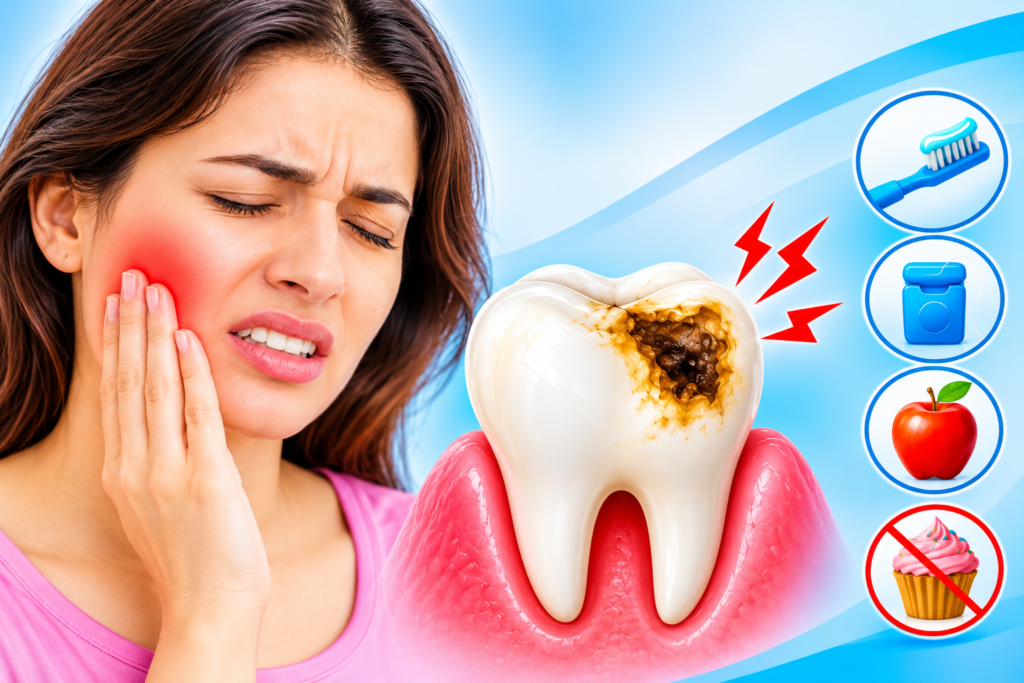
Frequent snacking, increased sugar consumption, and morning sickness can increase the risk of tooth decay. Vomiting exposes teeth to stomach acids, which can weaken tooth enamel.
Brushing twice daily with fluoride toothpaste and maintaining a balanced diet can help prevent cavities.
3. Pregnancy Tumors
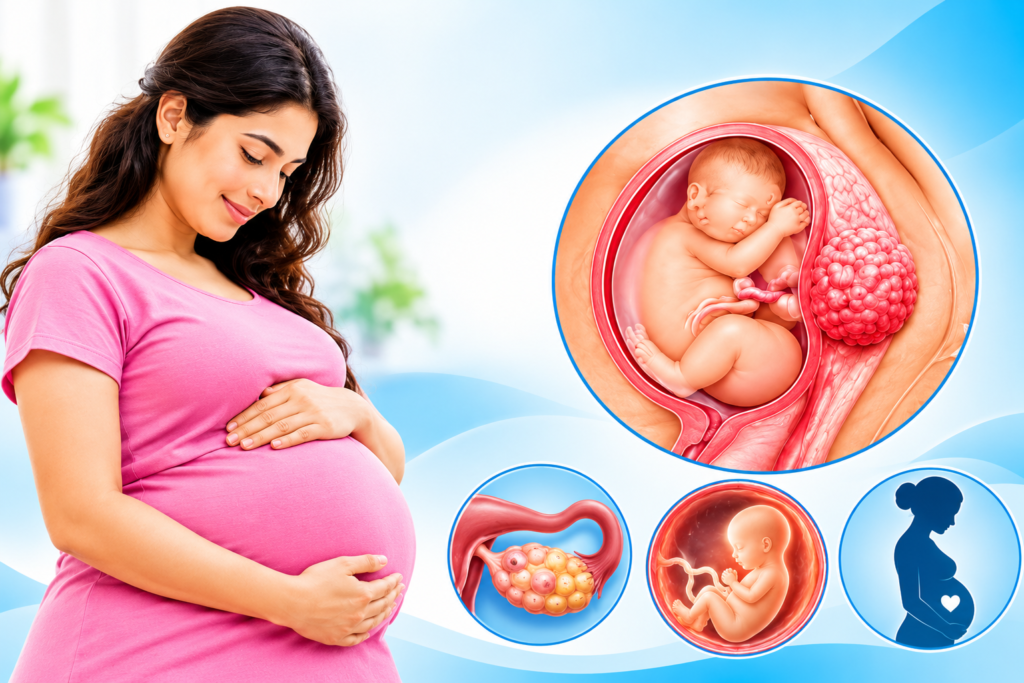
Some pregnant women develop small, non-cancerous growths on their gums, commonly known as pregnancy tumors or pyogenic granulomas. These growths may bleed easily but are generally harmless.
A dental examination is recommended to determine whether treatment is necessary.
4. Tooth Sensitivity
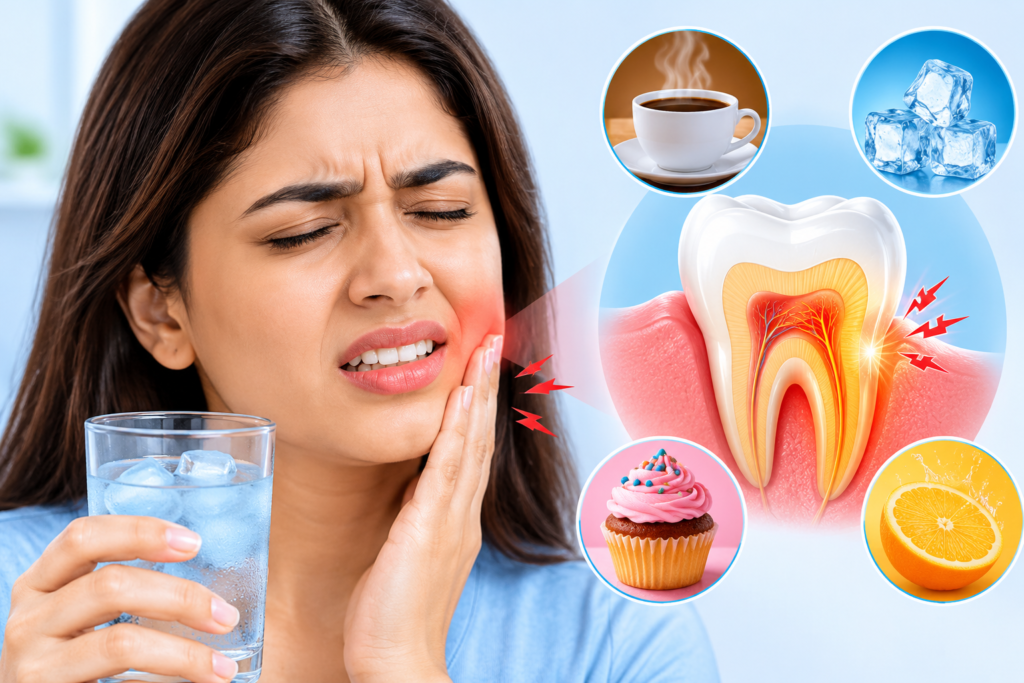
Hormonal changes, vomiting, and enamel erosion may increase tooth sensitivity. Pregnant women may experience discomfort while consuming hot, cold, or sweet foods.
A dentist can recommend suitable toothpaste and treatment options to manage sensitivity.
Essential Dental Care Tips During Pregnancy
Following a proper oral hygiene routine is important for maintaining healthy teeth and gums throughout pregnancy.
1. Brush Your Teeth Twice Daily: Use a soft-bristled toothbrush and fluoride toothpaste. Brush gently for at least two minutes to remove plaque and food particles.
2. Floss Every Day: Flossing helps remove food particles and plaque from areas that a toothbrush cannot easily reach.
3. Maintain a Healthy Diet: Include calcium-rich foods, fresh fruits, vegetables, milk, and other nutritious foods in your diet. Limit sugary snacks and beverages to reduce the risk of cavities.
4. Rinse After Morning Sickness: After vomiting, rinse your mouth with water or a baking soda solution (one teaspoon of baking soda in a cup of water). Avoid brushing immediately after vomiting because stomach acid temporarily softens enamel.
5. Drink Plenty of Water: Staying hydrated helps maintain saliva production, which naturally protects teeth against harmful bacteria and acids.
6. Schedule Regular Dental Checkups: Visit your dentist for routine examinations and professional cleaning to identify and manage dental problems early.
Is Dental Treatment Safe During Pregnancy?
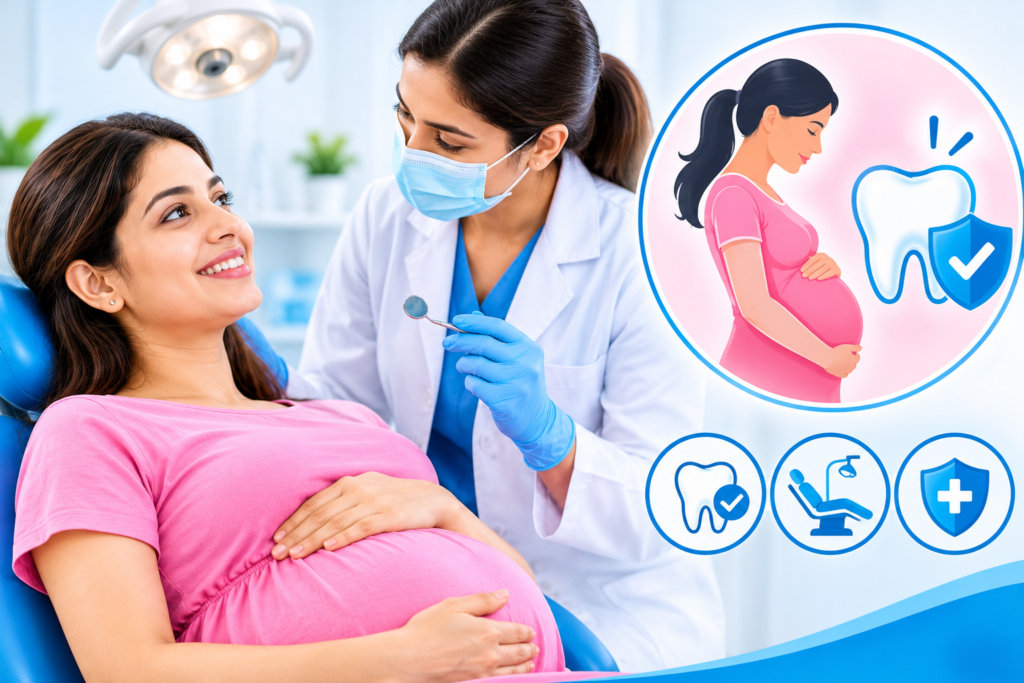
Yes, most routine and necessary dental treatments are considered safe during pregnancy. Pregnant women should not delay essential dental care because untreated infections and dental problems can become more complicated.
Dental examinations, professional cleaning, fillings, and necessary root canal treatments can generally be performed during pregnancy with appropriate precautions.
Local anaesthesia, such as lidocaine, is generally considered safe when clinically indicated. Dental X-rays can also be performed when necessary using appropriate radiation protection and modern equipment.
However, it is important to inform your dentist about your pregnancy, medications, medical history, and any pregnancy-related complications before starting treatment.
Elective cosmetic dental procedures, such as teeth whitening, are generally better postponed until after pregnancy.
Dental Care During Different Stages of Pregnancy
Understanding the right time for dental treatment can help pregnant women make informed decisions.
First Trimester (0–12 Weeks): This is an important stage of fetal development. Routine dental examinations and preventive care can continue, while elective treatments are generally postponed. Urgent dental problems should still receive appropriate attention.
Second Trimester (13–27 Weeks): The second trimester is often considered a comfortable period for routine dental procedures and necessary treatments. Professional cleaning, fillings, and other required dental procedures can be performed with suitable precautions.
Third Trimester (28–40 Weeks): Routine dental care can continue, but sitting in the dental chair for extended periods may become uncomfortable. Dentists may adjust the patient’s position to improve comfort.
When Should You Visit a Dentist During Pregnancy?
Pregnant women should schedule a dental checkup even if they do not experience pain or discomfort. Early diagnosis helps prevent minor dental issues from developing into serious problems.
Consult a dentist if you experience:
- Bleeding or swollen gums.
- Persistent toothache or sensitivity.
- Bad breath that does not improve.
- Pain while chewing food.
- Swelling around the teeth or gums.
- Signs of dental infection or pus formation.
Never ignore severe tooth pain, facial swelling, fever, or other signs of infection. Seek prompt dental evaluation.
Importance of Professional Dental Care During Pregnancy
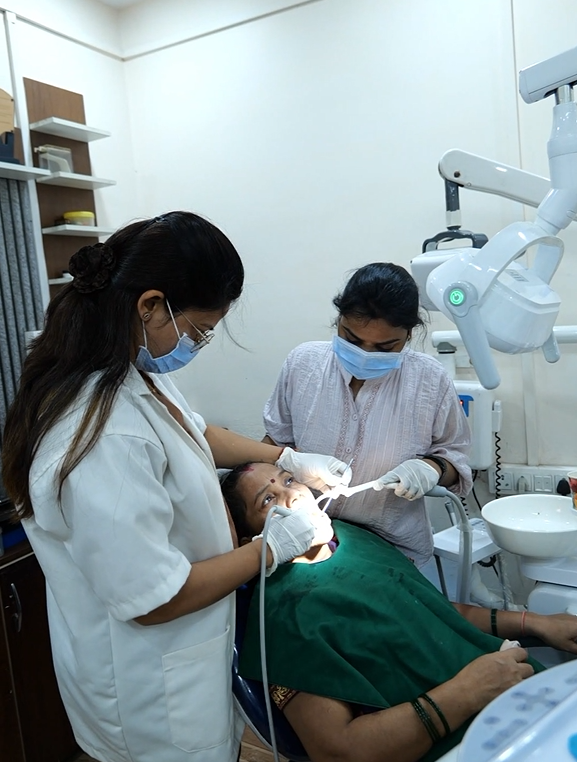
Professional dental care helps pregnant women maintain healthy teeth and gums while reducing the risk of oral infections. A qualified dentist can provide personalized guidance, recommend suitable treatments, and ensure that necessary dental procedures are performed with pregnancy-appropriate precautions.
Regular dental checkups, proper brushing, flossing, and healthy eating habits are essential for maintaining good oral health.
Choosing an experienced dental professional also helps address pregnancy-related dental concerns safely and comfortably.
Conclusion
Taking care of your teeth and gums during pregnancy is just as important as maintaining your overall physical health. Hormonal changes can increase the risk of gum inflammation, tooth decay, and other dental problems, but proper oral hygiene and regular dental visits can help prevent these conditions.
Remember, dental care during pregnancy is generally safe and should not be neglected. Follow a healthy oral hygiene routine, maintain a balanced diet, and consult your dentist whenever you experience dental discomfort. Healthy teeth and gums contribute to a healthier and more comfortable pregnancy journey.