Benefits of Getting Dental Care: Why Dental Care Is Important
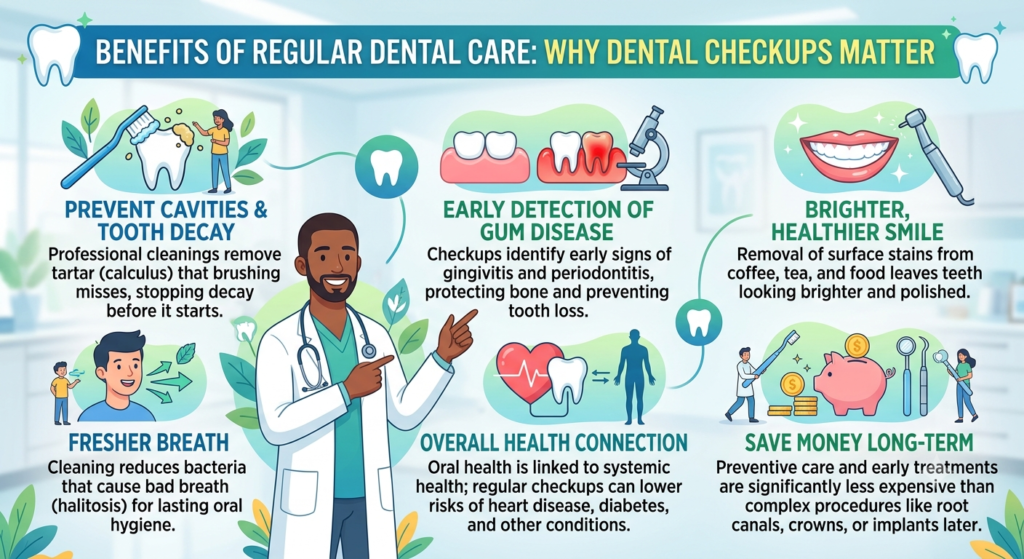
Taking care of your teeth and gums is an important part of maintaining overall health and well-being. Regular dental care is not only about keeping your smile attractive; it also helps prevent common oral health problems, protect your natural teeth, and identify potential issues at an early stage. Whether you need a routine dental check-up, professional teeth cleaning, a filling, root canal treatment, or other dental services, timely care can help you maintain a healthy mouth for years to come.
Visiting a qualified dentist regularly and following good oral hygiene habits at home can significantly reduce the risk of cavities, gum disease, bad breath, tooth loss, and other dental problems. Understanding the benefits of getting dental care can encourage you to make oral health a regular part of your healthcare routine.
1. Prevents Tooth Decay and Cavities
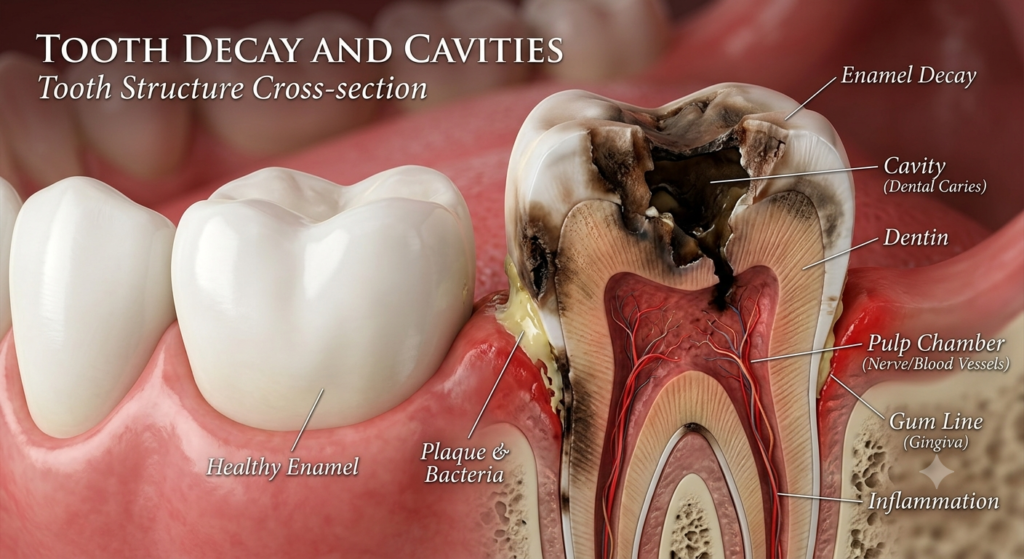
One of the major benefits of getting dental care is the prevention and early detection of tooth decay. Plaque and bacteria can accumulate on teeth and gradually damage the enamel, leading to cavities. If cavities are not treated on time, they may become deeper and cause tooth sensitivity, pain, or infection.
Regular dental examinations allow your dentist to identify early signs of decay and recommend appropriate treatment. Professional cleaning can also remove plaque and tartar that may be difficult to eliminate through regular brushing and flossing.
2. Helps Maintain Healthy Gums
Healthy gums are essential for maintaining strong and functional teeth. Poor oral hygiene can cause plaque buildup around the gumline, potentially leading to gum inflammation and bleeding. If gum problems are left untreated, they can become more serious and may affect the tissues supporting your teeth.
Regular dental care includes checking the condition of your gums and identifying signs of gum disease. Professional cleaning and appropriate dental guidance can help maintain healthier gums and support long-term oral health.
3. Reduces the Risk of Tooth Loss
Tooth loss can occur because of advanced tooth decay, gum disease, trauma, or other dental problems. Regular dental visits can help identify these issues before they become severe.
Early treatment of cavities, gum problems, infections, and damaged teeth may help preserve your natural teeth. Maintaining good oral hygiene and visiting a dentist for routine check-ups can therefore play an important role in reducing preventable tooth loss.
4. Helps Detect Dental Problems Early
Many dental problems do not cause noticeable symptoms during their early stages. You may have a small cavity, early gum disease, or another oral health concern without experiencing significant pain.
Routine dental examinations allow a dentist to examine your teeth, gums, and other areas of your mouth for potential problems. Early detection often means that treatment can be simpler and more conservative than treatment required after a problem has progressed.
5. Improves Oral Hygiene
Brushing twice a day and cleaning between your teeth are important daily habits, but professional dental care provides additional support. A dentist or dental hygienist can remove hardened tartar and provide personalized advice about brushing, flossing, and other oral hygiene practices.
Your dentist can also help identify areas where plaque tends to accumulate and recommend suitable oral care techniques based on your individual needs.
6. Helps Prevent Bad Breath
Persistent bad breath, also known as halitosis, can sometimes be associated with poor oral hygiene, plaque buildup, gum problems, tooth decay, or other oral conditions.
Regular dental check-ups and professional cleaning can help address oral causes of bad breath. Your dentist can also provide guidance on maintaining better oral hygiene and identifying possible underlying dental issues.
7. Protects Your Natural Smile
A healthy smile can contribute to confidence and overall appearance. Dental care helps maintain the natural condition of your teeth while addressing problems that may affect their appearance or function.
Professional cleaning can remove certain surface stains, while appropriate restorative and preventive treatments can help protect damaged teeth. Depending on your needs, your dentist can also discuss cosmetic dental options for improving the appearance of your smile.
8. Supports Better Dental Function
Your teeth play an important role in chewing food and speaking clearly. Dental problems such as missing teeth, damaged teeth, severe decay, or untreated infections can interfere with normal oral function.
Timely dental treatment can help restore or maintain proper tooth function. Treatments such as fillings, crowns, bridges, dentures, or other restorative procedures may be recommended depending on the specific condition.
9. Helps Manage Dental Pain and Sensitivity
Toothache and sensitivity can make everyday activities uncomfortable. Hot, cold, sweet, or acidic foods may trigger sensitivity when the protective enamel is damaged or when other dental conditions are present.
Instead of ignoring recurring dental pain or sensitivity, getting a dental examination can help determine the underlying cause. Appropriate treatment can address the dental problem and help prevent it from becoming more complicated.
10. Encourages Preventive Dental Care
Preventive care is one of the most important aspects of maintaining long-term oral health. Rather than waiting until severe pain develops, regular dental visits allow potential problems to be identified and managed earlier.
A preventive dental care routine may include regular check-ups, professional teeth cleaning, fluoride-related preventive care when appropriate, oral hygiene guidance, and timely treatment of developing dental problems.
Benefits Of Getting Dental Care
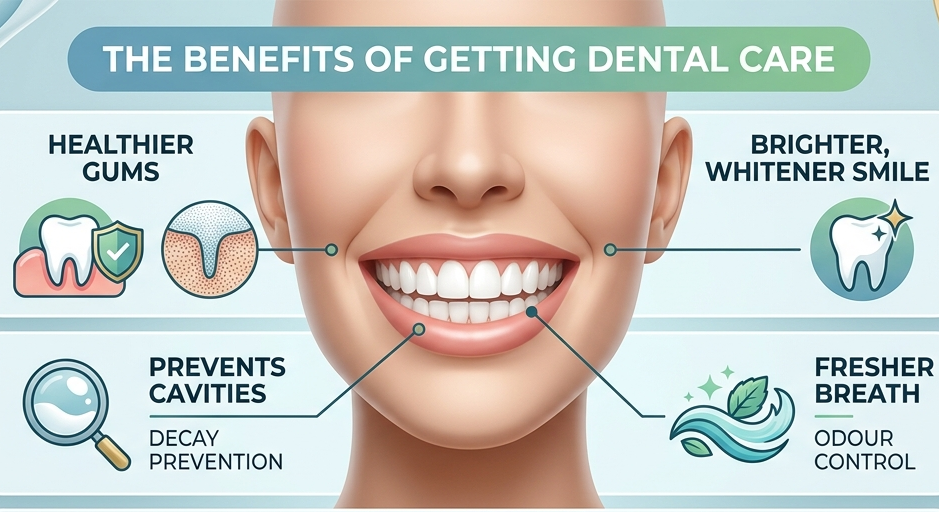
Regular dental check-ups provide an opportunity to monitor changes in your oral health over time. During a dental examination, your dentist may evaluate your teeth, gums, bite, and overall oral condition.
The frequency of dental visits can vary depending on your oral health, age, medical history, hygiene habits, and risk factors. Your dentist can recommend a suitable check-up schedule based on your individual requirements.
Why Professional Dental Care Is Important
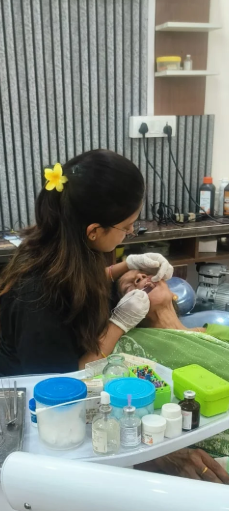
Home oral care and professional dental care work together. Brushing and cleaning between teeth every day help control plaque, but professional examinations and cleanings provide additional protection.
A professional dental visit can help identify problems that may not be obvious at home. It also gives you an opportunity to discuss concerns such as tooth sensitivity, bleeding gums, bad breath, tooth pain, or changes in your teeth.
How to Maintain Good Oral Health at Home
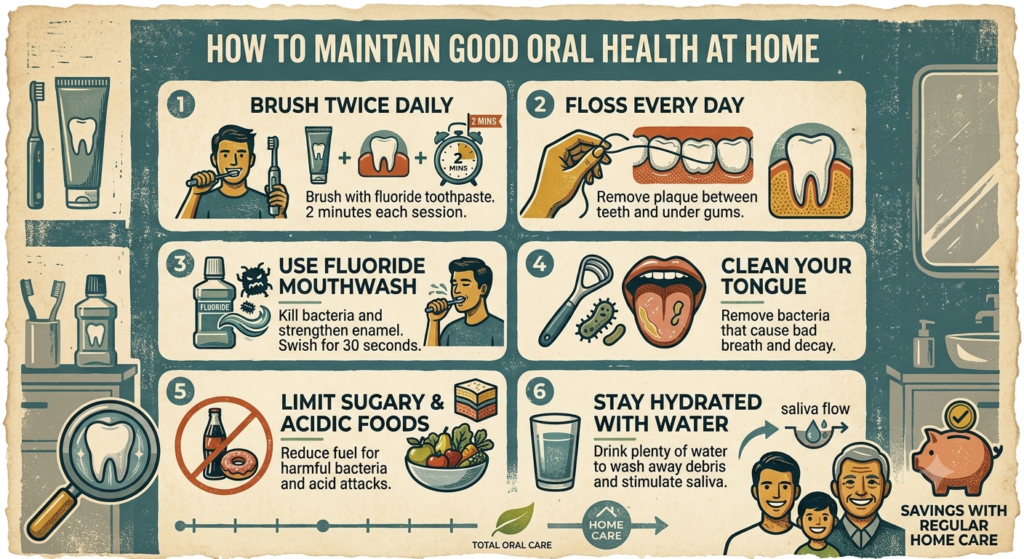
Along with regular dental visits, simple daily habits can help support healthy teeth and gums:
- Brush your teeth twice a day using fluoride toothpaste.
- Clean between your teeth regularly using floss or an appropriate interdental cleaning method.
- Limit frequent consumption of sugary foods and drinks.
- Drink sufficient water throughout the day.
- Avoid tobacco products.
- Replace your toothbrush or brush head when it becomes worn.
- Do not ignore persistent tooth pain, swelling, bleeding, or sensitivity.
- Schedule dental check-ups according to your dentist’s recommendation.
Choose the Right Dental Care for Your Needs
Every person’s oral health needs are different. Children, adults, older adults, and people with existing dental conditions may require different types of preventive and restorative care. Choosing a qualified dental professional and following a personalized oral care plan can help you protect your teeth and gums.
If you are searching for dental care in Varanasi, consider choosing a dental clinic that provides comprehensive services, maintains appropriate hygiene standards, uses modern dental equipment, and focuses on patient education and comfort.
Conclusion
The benefits of getting dental care extend far beyond having a beautiful smile. Regular dental check-ups and professional care can help prevent cavities, maintain healthy gums, reduce the risk of tooth loss, identify problems early, manage dental discomfort, and support proper oral function.
Good dental health starts with simple daily habits and regular professional care. By making dental check-ups a routine part of your healthcare, you can take proactive steps toward maintaining healthier teeth and gums. If you have a dental concern or have not had a check-up recently, consider scheduling an appointment with a qualified dentist for a professional evaluation.